Do Professional Traders Really Sell Signals?
Do Professional Traders Really Sell Signals?
Do professional traders sell signals, or do the most successful traders primarily make money directly from financial markets?
This question has become increasingly important as social media, Telegram channels, trading communities, and online platforms have created a massive industry around paid trading signals.
Thousands of providers claim to offer profitable Forex, Gold, Crypto, and Index signals.
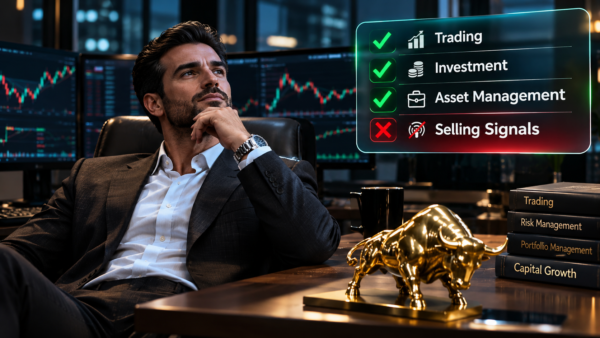
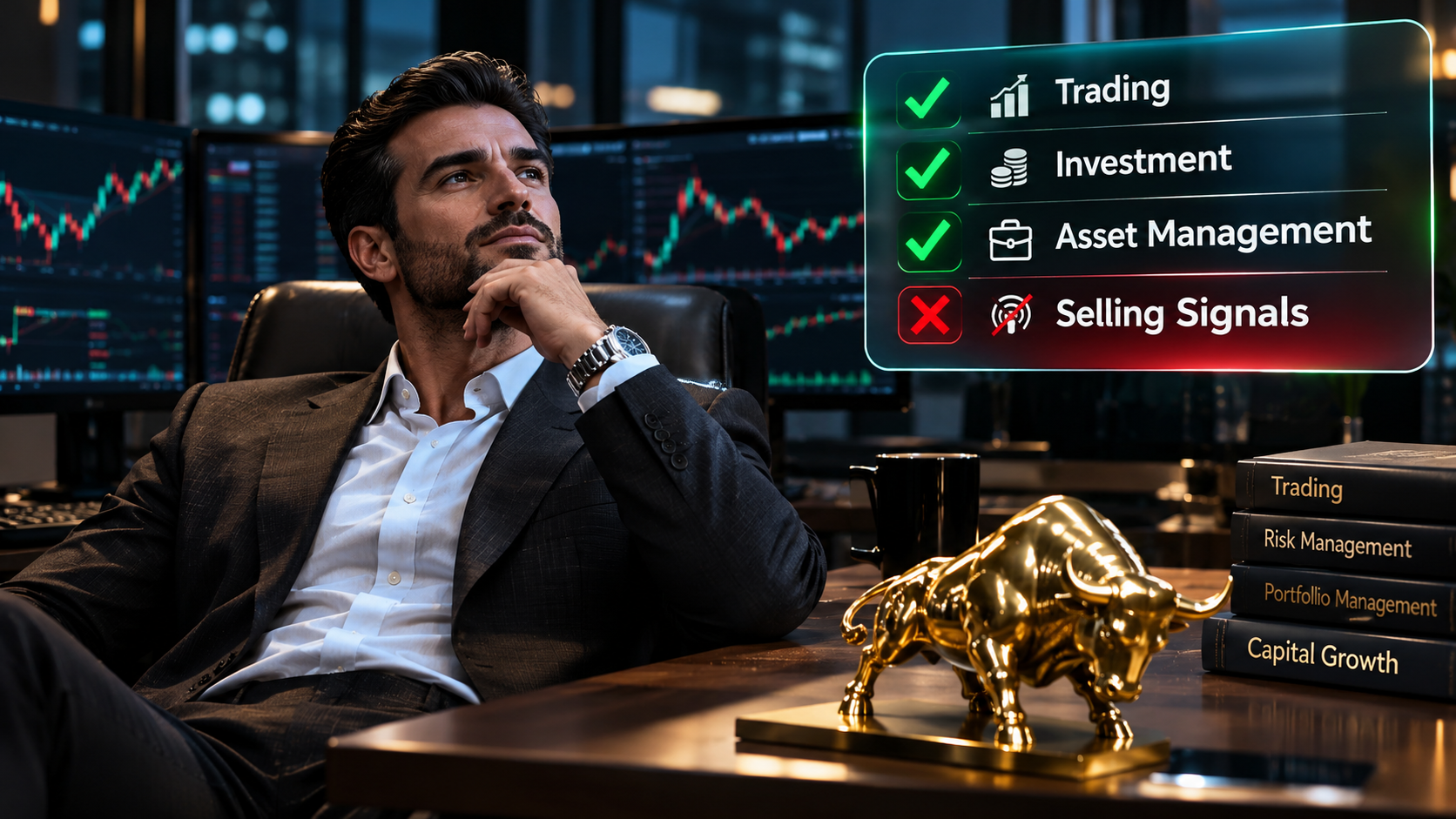
Yet when we look at many of the world’s most recognized professional traders, their reputations were generally built through:
- Trading
- Investing
- Asset management
- Hedge funds
- Portfolio management
- Proprietary trading
—not primarily through selling monthly signal subscriptions to retail traders.
This creates an obvious question:
If someone can consistently generate substantial profits from trading, why would selling signals become their main source of income?
The answer is more nuanced than simply saying:
“Anyone who sells signals cannot trade.”
That conclusion would be incorrect.
Some profitable traders legitimately offer signals, research, education, or analysis.
The real issue is understanding the difference between:
Making Money From Markets
and:
Making Money From an Audience
That distinction can reveal a great deal about the incentives, credibility, and business model behind a signal service.
1. Why Do Traders Ask Whether Professional Traders Sell Signals?
The trading industry is filled with signal advertisements.
Social-media pages promote:
- Daily Forex signals
- Gold signals
- Crypto signals
- VIP groups
- High win rates
- Premium trade alerts
Many providers describe themselves as professional traders.
This naturally creates a question:
If selling signals is such a common business among professional traders, why are many legendary market professionals better known for their investment performance than their signal channels?
When traders study successful market participants, they often discover that these professionals built their careers through:
- Managing personal capital
- Managing investor capital
- Operating investment funds
- Proprietary trading
- Long-term investing
rather than selling retail signal subscriptions.
This contrast between online trading culture and institutional finance creates skepticism.
Trading Ability and Marketing Ability Are Different Skills
One important distinction is often overlooked:
Being visible online does not necessarily mean being a better trader.
A person can be excellent at:
- Marketing
- Content creation
- Social media
- Audience growth
while having only average trading ability.
Another trader may be exceptionally skilled while having almost no social-media presence.
Follower count therefore measures:
Audience Reach
—not necessarily:
Trading Skill
This is one reason traders should avoid judging signal providers primarily by popularity.
2. Where Do Professional Traders Actually Make Money?
To understand do professional traders sell signals, we first need to understand how professional traders typically monetize their expertise.
The most obvious source is trading itself.
A trader with genuine positive expectancy can potentially increase income by increasing the amount of capital being traded.
Trading Personal Capital
The simplest model is:
Capital + Trading Edge + Risk Management = Potential Trading Profit
If a trader manages:
$20,000
the economic opportunity is limited by that capital.
If the same trader can responsibly manage:
$2 million
the potential economic value of the same trading ability becomes dramatically larger.
This creates a strong incentive for successful traders to focus on:
- Increasing capital
- Improving strategy
- Improving execution
- Managing risk
instead of spending large amounts of time building retail subscription businesses.
Managing Other People’s Capital
Professional traders may also manage outside capital.
Their income can come from:
- Management fees
- Performance fees
- Profit-sharing arrangements
Instead of telling thousands of retail followers what to trade, the trader directly manages capital.
This can align compensation more closely with actual investment performance.
Investment Funds and Asset Management
Some successful traders eventually build:
- Hedge funds
- Asset-management firms
- Investment companies
- Proprietary trading businesses
At this level, the goal is no longer simply producing isolated BUY or SELL signals.
The professional may be responsible for:
- Portfolio construction
- Capital allocation
- Risk management
- Research
- Execution
- Investor communication
- Compliance
Their business becomes capital management rather than signal distribution.
3. Does Selling Signals Mean Someone Is a Bad Trader?
No.
Selling trading signals does not automatically mean that someone cannot trade.
This distinction is important.
A skilled trader may legitimately monetize:
- Research
- Market analysis
- Trading strategies
- Educational content
- Trade ideas
A signal service can simply be another business model.
The More Important Question Is Where the Evidence Comes From
Suppose someone claims:
- Extremely high profitability
- Exceptional trading skill
- Consistent market returns
but provides little evidence beyond:
- Screenshots
- Promotional posts
- Testimonials
while generating most visible business activity through selling memberships.
It is reasonable to ask for stronger evidence.
The important question is not:
“Does this trader sell signals?”
It is:
“Can this trader demonstrate credible, transparent, risk-adjusted performance?”
Trading Performance Should Matter More Than Subscriber Count
A professional evaluation should prioritize:
- Long-term results
- Drawdown
- Risk management
- Average win/loss
- Risk/Reward
- Consistency
- Transparency
rather than:
- Instagram followers
- Telegram members
- Luxury images
- Marketing reach
Popularity and profitability are not the same thing.
4. Why Do Top Traders Focus on Capital Instead of Selling Signals?
One important reason is the economic value of their time.
Professional trading demands significant attention.
Markets constantly change.
Maintaining an edge may require:
- Research
- Strategy development
- Monitoring
- Execution
- Risk analysis
- Performance review
Signal businesses introduce additional responsibilities.
These may include:
- Customer support
- Marketing
- Content creation
- Community management
- Subscription management
- Complaints
- Payment processing
For a trader whose highest-value skill is capital management, these activities may represent a significant opportunity cost.
Scaling Capital Can Be More Attractive Than Scaling Subscribers
Consider two models.
Signal Business
1,000 subscribers × $50 per month
Revenue:
$50,000 per month
That can certainly be a successful business.
But maintaining it may require substantial operational work.
Now consider a trader managing significant capital.
If the trader can increase Assets Under Management while maintaining acceptable returns, scaling capital may become economically more attractive.
This is one reason many professional traders move toward:
Trading → Larger Capital → Asset Management
rather than:
Trading → Social Media → Signal Subscriptions
Professional Traders Often Think Long Term
Large traders and fund managers frequently focus on:
- Compounding
- Capital preservation
- Risk-adjusted performance
- Long-term track record
Their goal may be to increase capital over decades rather than maximize monthly subscription revenue.
That difference changes business priorities.
5. Making Money From Markets vs. Making Money From an Audience
This is one of the most important concepts in understanding do professional traders sell signals.
There are two fundamentally different business models.
Model 1: Making Money From Markets
Revenue depends primarily on:
- Trading performance
- Investment returns
- Risk management
- Capital allocation
Success is measured through:
- Return
- Drawdown
- Volatility
- Risk-adjusted performance
Model 2: Making Money From an Audience
Revenue depends on:
- Subscribers
- Customer acquisition
- Marketing
- Renewals
- Brand reach
- Product sales
Success may therefore depend partly on business metrics such as:
- Conversion rate
- Subscriber count
- Retention
- Monthly recurring revenue
Neither model is automatically unethical or inferior.
They simply create different incentives.
Why Incentives Matter
Imagine a signal service that depends entirely on monthly subscriptions.
The provider may feel pressure to:
- Publish frequent trades
- Maintain excitement
- Advertise high win rates
- Constantly acquire customers
A professional asset manager may face a different incentive:
Protect capital and maintain long-term performance.
Understanding these incentives helps users evaluate trading services more intelligently.
6. Are All Signal Sellers Untrustworthy?
Absolutely not.
It would be incorrect to conclude that every paid trading signal provider is unreliable.
The signal industry includes:
- Professional traders
- Experienced analysts
- Research teams
- Algorithmic systems
- Educational services
as well as:
- Low-quality marketers
- Unverified providers
- Fraudulent operators
These groups should not be treated as identical.
Evaluate the Provider, Not Simply the Business Model
A better evaluation process asks:
Is performance transparent?
Can you see winning and losing trades?
Is risk disclosed?
Are Stop Loss and risk levels provided?
Is the history long enough?
A few successful weeks prove very little.
Are claims realistic?
Does the provider acknowledge losses?
Is the methodology understandable?
You should at least understand the general logic behind the service.
Transparency Matters More Than Whether a Signal Is Free or Paid
A free signal can be terrible.
A paid signal can be excellent.
Price alone tells you very little.
What matters more is:
Performance + Risk + Transparency + Consistency
FastPip explains this evaluation process in more detail in its guide to Signal Provider Performance Evaluation.
7. How Do Famous Professional Traders Usually Make Money?
Many internationally known market professionals became wealthy primarily through:
- Trading
- Investing
- Managing funds
- Asset management
rather than retail signal subscriptions.
The original article uses traders such as George Soros and Paul Tudor Jones as examples of professionals better known for capital management and market performance than for selling signals to retail traders.
Their professional reputations were built around:
- Major trades
- Fund performance
- Risk management
- Capital allocation
- Investment philosophy
This is fundamentally different from building a business primarily around retail subscribers.
Successful Traders Often Build Financial Businesses
Over time, traders may expand into:
- Investment funds
- Asset-management companies
- Advisory businesses
- Proprietary trading firms
Their expertise becomes the foundation of a broader financial organization.
Some Professionals Also Teach
Professional traders may additionally:
- Write books
- Give interviews
- Speak at conferences
- Publish research
- Provide education
But these activities often come after a track record has been established.
That distinction matters.
The reputation came from market performance first.
8. Warning Signs When Evaluating Signal Sellers
Whether a service is free or paid, certain behaviors should trigger additional scrutiny.
Guaranteed Returns
Statements such as:
- Guaranteed profit
- Risk-free income
- 100% accuracy
are major warning signs.
Financial markets always involve uncertainty.
In October 2025, the UK’s Financial Conduct Authority specifically warned that some finfluencers were promising consumers unrealistic returns related to copy trading, managed accounts, and paid daily trading tips.
Only Showing Winning Trades
A provider who displays:
Winner
Winner
Winner
Winner
without showing losses creates an incomplete performance picture.
Professional trading necessarily includes losing trades.
FastPip explains this problem in detail in its article on Profit-Only Signal Channels.
Unverifiable Performance
Performance claims should provide sufficient information to evaluate:
- Trade history
- Risk
- Drawdown
- Sample size
- Results over time
Without these elements, impressive percentages have limited analytical value.
Excessive Luxury Marketing
Photos of:
- Expensive cars
- Watches
- Private jets
- Luxury hotels
do not demonstrate trading skill.
Lifestyle content is marketing evidence.
It is not trading evidence.
High-Pressure Sales
Be cautious when marketing relies heavily on:
- “Join today”
- “Last chance”
- “Only three VIP seats”
- “Price increases tonight”
High-pressure tactics reduce the user’s time to perform due diligence.
Social Media Popularity Is Not Proof
This point is increasingly important.
In February 2026, the SEC’s Investor.gov warned investors not to make investment decisions solely from information received through social-media platforms or apps, particularly stock recommendations and investment group chats.
Investor.gov – Social Media and Stock Tip Scams
The correct hierarchy is:
Evidence > Followers
9. Why Do Some Successful Traders Still Sell Signals?
There are several perfectly rational reasons.
Income Diversification
Trading returns fluctuate.
Subscription or educational income can provide a secondary source of revenue.
A profitable trader may simply prefer having multiple income streams.
Building a Financial Brand
A trader may want to develop:
- Research products
- Educational programs
- Trading communities
- Financial media brands
Signals can be one product within a much larger ecosystem.
Monetizing Existing Research
A trader may already spend hours performing:
- Technical analysis
- Fundamental research
- Market monitoring
Packaging part of that research into a signal product can create additional value from work that is already being done.
Teaching and Sharing Experience
Some professionals genuinely enjoy teaching.
Signals may be used alongside:
- Education
- Market commentary
- Trade reviews
to help users understand how market decisions are made.
Attracting Capital or Business Opportunities
A transparent public record may lead to:
- Partnerships
- Consulting
- Capital allocation
- Asset-management opportunities
Signals can sometimes function as part of a trader’s professional visibility.
10. Can Professional Trading and Signal Selling Coexist?
Yes.
There is no fundamental contradiction.
A professional trader can simultaneously:
- Trade personal capital
- Manage investor capital
- Publish research
- Provide education
- Sell trading signals
The important questions are:
Is the trading ability real?
and:
Are the commercial claims honest?
The Problem Starts When Marketing Replaces Evidence
Suppose a provider’s entire public presence revolves around:
- Promotions
- Discounts
- Lifestyle content
- Subscriber numbers
while there is almost no information about:
- Risk management
- Drawdown
- Losing trades
- Strategy
- Long-term performance
That imbalance should trigger closer scrutiny.
Professional Signal Services Should Have Structure
A credible signal should ideally include:
- Entry or Entry Zone
- Stop Loss
- Take Profit
- Market logic
- Risk information
rather than simply:
BUY NOW
or:
SELL NOW
This makes the signal easier to evaluate and manage.
11. What Actually Makes a Signal Provider Credible?
The question do professional traders sell signals is ultimately less important than determining whether a particular provider adds real value.
Look for several characteristics.
Transparent Results
The provider should not hide losses.
Realistic Win Rates
A 60% Win Rate with strong Risk/Reward can be significantly better than a claimed 95% Win Rate with uncontrolled losses.
FastPip explains why Win Rate alone can be misleading in its analysis of High Win Rate Signals.
Clear Drawdown Data
Profit without Drawdown tells only half the story.
The user needs to understand how much risk was required to generate the return.
FastPip’s guide to Drawdown in Signal Services explains why this metric is critical.
Complete Performance Statistics
Evaluate:
- Win Rate
- Average Win
- Average Loss
- Profit Factor
- Expectancy
- Drawdown
- Risk/Reward
rather than one impressive percentage.
No Manipulated Statistics
Some services create misleading results through:
- Cherry-picking
- Hidden losses
- Short sample periods
- Deleted trades
FastPip covers these issues in Fake Trading Signal Statistics.
12. Conclusion: Do Professional Traders Sell Signals?
So, do professional traders sell signals?
Some do.
Many do not.
The statement that:
“Real traders never sell signals”
is too simplistic.
Many successful market professionals earn primarily through:
- Trading
- Investing
- Asset management
- Fund management
- Capital growth
For them, operating a large retail signal business may simply not be the highest-value use of their time.
However, professional traders can legitimately offer:
- Signals
- Research
- Education
- Analysis
as complementary businesses.
The real distinction is not:
Signal Seller vs. Real Trader
It is:
Evidence vs. Marketing
When evaluating a provider, ask:
- Are results transparent?
- Are losing trades reported?
- Is Drawdown disclosed?
- Is Risk/Reward sensible?
- Is the track record long enough?
- Are claims realistic?
- Can the trading process be understood?
- Does expertise appear stronger than marketing?
The SEC’s February 2026 warning about social-media stock-tip scams emphasizes the same fundamental principle: investors should verify information rather than making investment decisions simply because a recommendation appears convincing online.
The final question should therefore not be:
“Does this trader sell signals?”
It should be:
“Is there credible evidence that this trader or service creates genuine trading value?”
That is a much more useful question.
Frequently Asked Questions
Do professional traders sell signals?
Yes, some professional traders sell signals, research, or analysis. However, many successful traders primarily earn through trading, investment management, or managing larger pools of capital.
Why don’t many top traders sell signals?
Managing substantial capital can allow professional traders to monetize their skill more directly without operating a retail subscription business.
Does selling signals mean someone cannot trade?
No. Signal selling is simply a business model. What matters is whether the provider can demonstrate genuine trading competence and transparent performance.
Are paid trading signals legitimate?
Some are. Paid services should be evaluated based on transparency, performance, risk management, and realistic claims rather than price alone.
Are all signal sellers scams?
No. The industry includes both professional providers and fraudulent operators.
How can I identify a credible signal provider?
Look for transparent trade histories, reasonable claims, visible losses, proper risk management, Drawdown statistics, and consistent strategy rules.
Is a high Win Rate proof of a good signal service?
No. Win Rate must be evaluated alongside average profit, average loss, Risk/Reward, Drawdown, and Expectancy.
Are social-media followers proof of trading skill?
No. Audience size measures popularity and marketing reach, not investment performance.
Why do some profitable traders still sell signals?
They may want to diversify income, monetize research, build a brand, teach traders, or develop other business opportunities.
What is the difference between making money from markets and making money from an audience?
Market income depends primarily on trading and investment performance. Audience income depends on subscribers, marketing, content, and product sales.
Should professional signal providers show losing trades?
Yes. Losses are a normal part of trading, and hiding them creates a misleading picture of performance.
Are guaranteed-return signal services trustworthy?
Claims of guaranteed high returns with little or no risk should be treated with extreme caution.
Should I judge a provider by screenshots?
No. Screenshots show isolated results and do not provide complete information about Drawdown, losses, or long-term performance.
Can professional trading and signal selling coexist?
Yes. A trader can manage capital, trade personally, publish research, and provide signals at the same time.
What should matter most when choosing a signal provider?
Long-term performance, risk management, Drawdown, consistency, transparent reporting, and realistic claims should matter more than marketing or popularity.