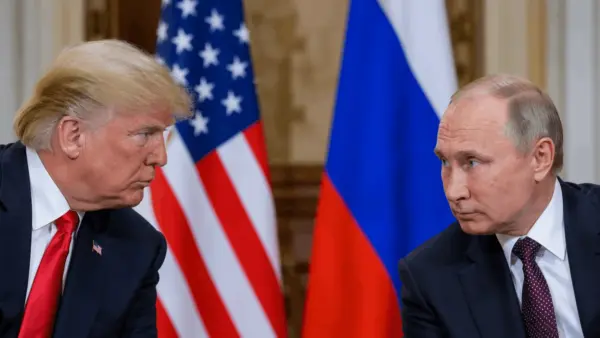
Iran says only a negotiated solution can end its conflict with the United States after President Donald Trump rejected Tehran’s latest proposal to reopen the Strait of Hormuz and resume talks.
Trump said on Saturday that he had rejected the Iranian proposal, which Tehran said could restore commercial shipping through the strategic waterway within seven days if Washington agreed to several conditions. Iran’s Foreign Minister Abbas Araghchi, however, said Tehran was still waiting for a definitive official response from the United States.
The dispute keeps the Strait of Hormuz at the center of the conflict and adds another layer of uncertainty for global energy markets, as the waterway has experienced a sharp reduction in shipping since the conflict began.
Trump Rejects Iran’s Proposal to Reopen the Strait of Hormuz
Trump told reporters at the White House that Iran’s proposal was not acceptable. Tehran had offered a framework under which the Strait of Hormuz could be reopened within seven days, provided that Washington met conditions related to the conflict and economic pressure on Iran.
The proposal was communicated through mediators during the United Nations General Assembly in New York. Iranian officials said the framework was based largely on provisions included in a memorandum of understanding signed by the two sides in June, which later collapsed as fighting resumed.
According to reports, the Iranian proposal included measures such as lifting the U.S. naval blockade of Iranian ports, easing sanctions on Iranian oil sales and implementing a ceasefire covering the wider regional conflict.
| Issue | Iran’s Position | Current U.S. Position |
|---|---|---|
| Strait of Hormuz | Reopen within seven days if conditions are met | Trump has rejected the current proposal |
| Oil sanctions | Seeks relief | Economic pressure remains |
| Naval blockade | Seeks an end to the blockade | No agreement to lift it |
| Negotiations | Supports a negotiated solution | Further talks remain possible but no agreement has been reached |
Iran Says Negotiations Remain the Only Path
Iranian Foreign Minister Abbas Araghchi acknowledged Trump’s public rejection but said Tehran would wait for an official response before making a final decision.
Araghchi also pointed to what he described as contradictory statements from the U.S. president and reiterated that Iran’s conditions for reopening the waterway remain unchanged. Iran’s latest position is that the reopening of the Strait of Hormuz would depend on those conditions being fulfilled.
Iranian President Masoud Pezeshkian has similarly argued that trust damaged by the conflict must be addressed for negotiations to succeed. Tehran has indicated that it remains willing to discuss implementation of the previous memorandum in stages.
The Role of Qatar and Oman in the Talks
The latest diplomatic effort has involved regional mediators, with Qatar playing a role in communicating the proposal between Tehran and Washington. Oman has also continued to call for dialogue and efforts to protect navigation through the strategic waterway.
The involvement of mediators is particularly important because direct negotiations between Washington and Tehran have remained limited. The two sides did hold several hours of indirect discussions through mediators earlier in the week, marking their first such talks in months.
For now, however, there is no confirmed agreement on reopening the strait or ending the broader conflict.
Why the Strait of Hormuz Matters to Global Markets
The Strait of Hormuz is one of the world’s most important energy shipping routes. Disruptions there can affect the movement of crude oil and other energy products, making developments around the waterway particularly important for oil prices, inflation expectations and financial markets.
The conflict has already sharply reduced maritime traffic through the strait compared with normal levels. Any credible agreement that restores navigation could therefore reduce some of the supply-risk premium embedded in energy markets. Conversely, a prolonged standoff could keep pressure on energy supply and maintain elevated geopolitical risk.
This is also why the story belongs closely alongside broader Macroeconomic News: energy disruptions can influence inflation, central-bank expectations and ultimately financial-market pricing.
Sanctions Continue to Put Pressure on Iran
The dispute is taking place alongside continued U.S. economic pressure on Iran. U.S. Treasury Secretary Scott Bessent has said sanctions are affecting Iran’s economy, while reports indicate that some financial institutions and airlines in the region have restricted transactions or services involving Iranian entities.
However, the effectiveness of further sanctions depends partly on the response of Iran’s major trading partners. China remains particularly important because it has been a major buyer of Iranian oil and has continued economic relations with Tehran despite previous U.S. sanctions.
What Happens Next?
The immediate focus is on whether Washington provides a formal response to Tehran through the mediators. Iran has indicated that it will assess that response before deciding its next move.
At the same time, the status of shipping through the Strait of Hormuz remains a key indicator for the global economy. A diplomatic breakthrough could improve expectations for energy supply and reduce geopolitical risk, while a further deterioration in relations could prolong uncertainty around oil flows.
For traders, the most important developments to monitor are therefore official statements from Washington and Tehran, the status of Hormuz shipping, changes in oil sanctions and movements in Brent and WTI crude prices.
Market Impact
The rejection of the Hormuz proposal keeps the risk of prolonged disruption in energy flows elevated, which is generally supportive of oil’s risk premium and can increase inflation concerns. For Forex and financial markets, renewed geopolitical tension can also increase demand for defensive assets such as the U.S. dollar and gold, while creating pressure on risk-sensitive equities if the situation escalates. By contrast, any credible progress toward reopening Hormuz would likely reduce the energy-supply risk premium. Current reporting confirms that the market impact remains closely tied to the unresolved status of the waterway and negotiations.
Conclusion
Iran continues to argue that diplomacy is the only way to resolve the conflict, but President Trump has rejected Tehran’s latest proposal to reopen the Strait of Hormuz within seven days. With Iran maintaining its conditions and Washington yet to accept the proposed framework, the future of the waterway remains uncertain. The next official responses from both sides, together with developments in shipping and oil markets, will be critical for assessing the economic and financial consequences.
Frequently Asked Questions
Why did Trump reject Iran’s Hormuz proposal?
Trump said the proposal was not acceptable, although Iran maintains that its conditions were based on the earlier U.S.-Iran memorandum of understanding.
What did Iran propose?
Iran proposed reopening the Strait of Hormuz within seven days if conditions involving the conflict, sanctions and the U.S. naval blockade were addressed.
Why is the Strait of Hormuz important?
The strait is a critical route for global energy shipments, so prolonged disruption can affect oil supply and prices.
 Check Our
  Whether you’re a day trader or a long-term investor, FastPip gives you the tools to trade smarter, not harder.