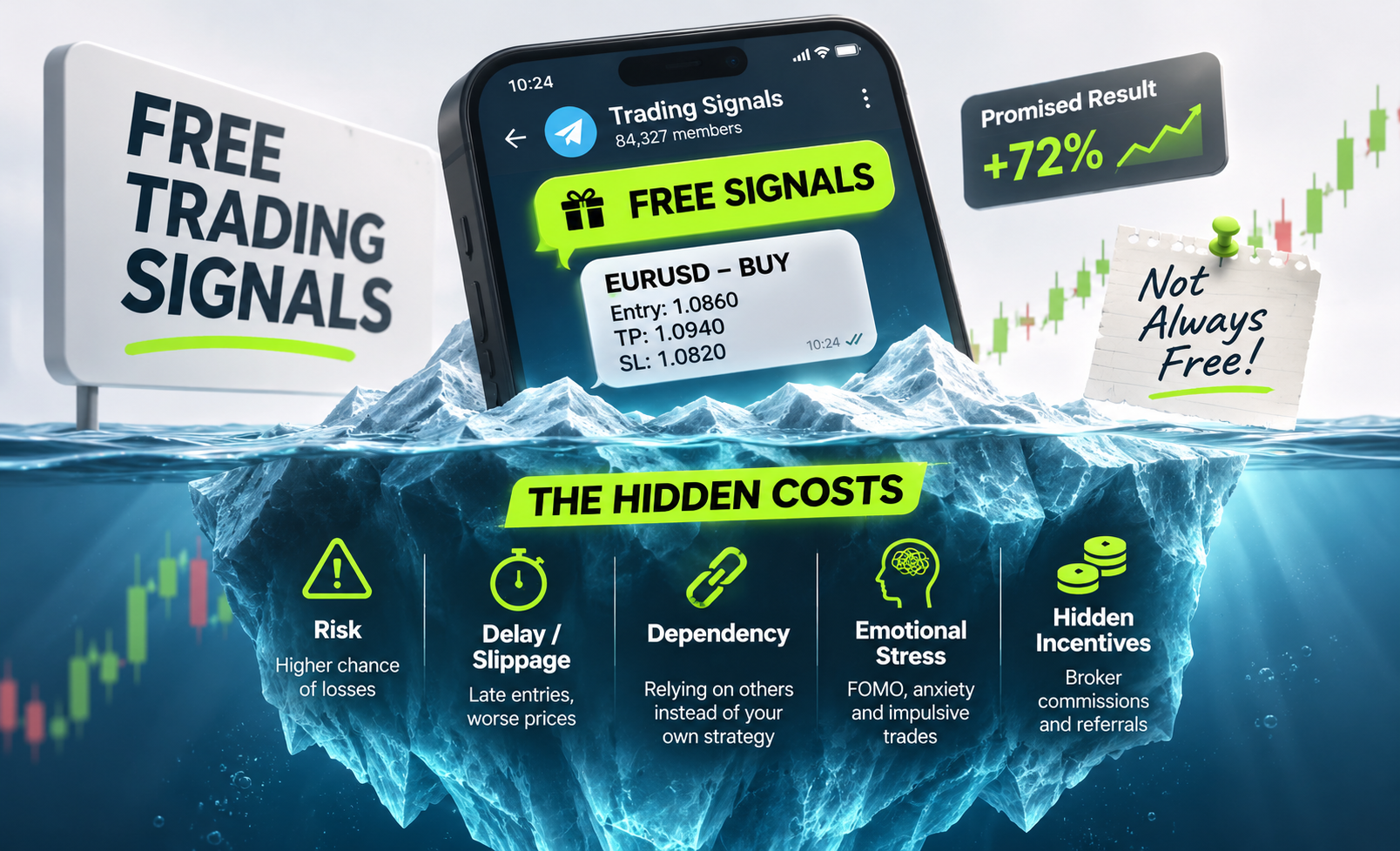
Free Trading Signals: The Hidden Costs Traders Often Ignore
Free Trading Signals: The Hidden Costs Traders Often Ignore
At first glance, free trading signals sound like an obvious advantage.
You receive:
- Entry points
- Stop Loss levels
- Take Profit targets
- Market direction
- Trade ideas
and pay nothing for access.
But there is an important distinction:
Free does not always mean cost-free.
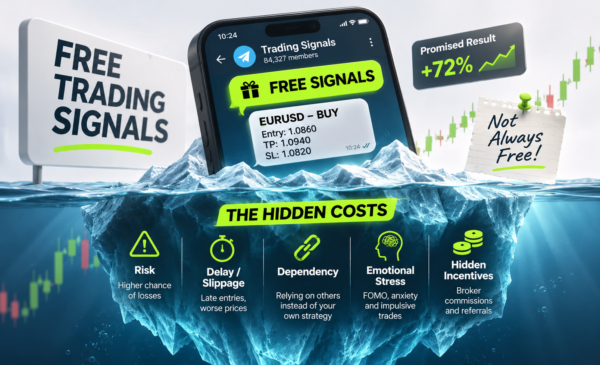
A trading signal may have no subscription fee while still creating costs through:
- Trading losses
- Poor execution
- Time
- Missed opportunities
- Emotional decisions
- Dependency
- Overtrading
- Incomplete information
In some cases, the free signal is also part of a larger business model designed to attract users toward:
- VIP subscriptions
- Broker referrals
- Courses
- Mentoring
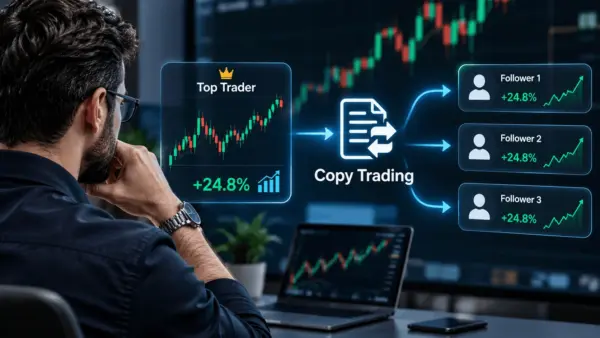
- Copy trading
- Paid communities
None of these models are automatically problematic.
The important issue is understanding what you are actually receiving, how the provider benefits, and what risks remain with you.
So the right question is not simply:
“Is the signal free?”
The better question is:
“What does using this signal really cost me?”
What Does “Free” Mean in Free Trading Signals?
Usually, free means:
No direct subscription payment is required.
That definition is technically correct.
But financial decisions have more than one type of cost.
For example, if you follow a free signal and lose 3% of your account, the signal may have cost:
$0 in subscription fees
but:
3% in trading capital.
That distinction matters.
Similarly, if you spend hours monitoring weak signals, enter late, or become psychologically dependent on external trade ideas, there is still a cost even if no money changes hands between you and the provider.
The Hidden Costs of Free Trading Signals
The most important costs are often not visible before the trade.
1. Trading Losses
This is the most obvious hidden cost.
Suppose a free signal says:
XAUUSD BUY
You follow it.
The trade reaches Stop Loss.
You lose:
$200
The signal itself cost nothing.
The decision based on the signal did not.
This is why traders should never confuse:
Free access
with:
Risk-free trading.
Every trade still exposes real capital.
Investor.gov emphasizes that every investment involves risk and warns investors about promotions promising large returns with little or no risk.
Investor.gov – Protect Your Money
2. The Cost of Blind Trust
A free signal can become dangerous when it replaces analysis entirely.
The trader receives:
BUY EURUSD
and immediately enters.
They may not know:
- Why the trade exists
- What market structure supports it
- What economic events are approaching
- When the setup becomes invalid
- Whether the Stop Loss suits their account
The user has effectively outsourced a decision without outsourcing the financial consequences.
If the trade fails, the loss remains entirely theirs.
Free Trading Signals Can Create Dependency
One of the most overlooked costs is psychological dependency.
At first, the process feels convenient.
Instead of analyzing the market, you receive:
BUY
SELL
ENTRY
STOP LOSS
TARGET
Over time, the trader may stop asking:
“What do I think?”
and begin asking:
“Where is today’s signal?”
That shift can weaken independent decision-making.
Signal Dependency Develops Gradually
The progression may look like this:
Stage 1
Signals are used occasionally.
Stage 2
The trader begins checking them daily.
Stage 3
Signals become the primary source of trade ideas.
Stage 4
The trader becomes uncomfortable trading without them.
At Stage 4, the signal is no longer merely a tool.
It has become part of the trader’s decision-making ability.
That dependency is a real cost.
Why Dependency Is Particularly Dangerous
Markets change.
Signal providers can:
- Stop operating
- Change strategy
- Become less effective
- Increase prices
- Reduce transparency
If your entire trading process depends on an external provider, you become vulnerable to those changes.
The goal should ideally be:
Use signals as information—not as a substitute for understanding risk and market structure.
FastPip’s Trading Types guide explains how different trading styles require different levels of analysis, execution speed, and risk management.
Free Trading Signals Are Often Part of a Funnel
A free service usually exists within a broader economic model.
That is normal.
Businesses frequently offer free products to attract customers.
The important thing is recognizing the structure.
Model 1: Free Signals → VIP Signals
The provider may offer:
Free Channel
1–2 signals per day
VIP Channel
More trades
Earlier entries
More analysis
More targets
The free service demonstrates the product.
The paid service generates revenue.
This is a standard freemium model.
Model 2: Free Signals → Broker Referral
Another common structure involves affiliate or Introducing Broker relationships.
A user receives free signals.
To access them, the provider recommends opening an account through a specific broker.
The provider may then earn revenue based on:
- Referral activity
- Trading volume
- Commissions
- Rebates
This creates an important incentive.
If provider revenue increases when users trade more frequently, the business model may encourage more trading.
That does not automatically mean the signals are poor.
But users should understand the incentive.
Model 3: Free Signals → Trading Course
The structure may be:
Free signal → Build trust → Sell education
For example:
“Want to understand how we found this trade? Join our advanced course.”
Again, this can be entirely legitimate.
The signal functions as marketing.
Model 4: Free Signals → Personal Brand
Some analysts provide free trading signals primarily to build visibility.
They may want:
- Followers
- Reputation
- Brand recognition
- Future clients
- Investment opportunities
In this case, the indirect return comes from audience growth.
Why the Business Model Matters
Understanding incentives helps you evaluate behavior.
Ask:
How does this provider make money?
Possible answers:
- Subscription fees
- Broker commission
- Advertising
- Education
- Copy trading
- Brand partnerships
There is nothing inherently wrong with commercial incentives.
The problem is when the incentives are hidden and materially affect the advice being presented.
Investor.gov notes that people promoting financial ideas online may have their own incentives, may be seeking clicks or followers, or may be paid for promotion.
Free Does Not Automatically Mean Low Quality
This point is equally important.
A common mistake is assuming:
Free = bad
while:
Paid = good
That is false.
A free signal may be excellent.
A paid signal may be terrible.
Price is not a measure of trading competence.
Why a Good Provider Might Give Signals Away
Possible reasons include:
- Building reputation
- Demonstrating analysis
- Educating users
- Testing a strategy
- Growing a community
- Supporting a broader product
The correct evaluation should focus on performance quality, not the subscription price.
What Makes a Free Signal High Quality?
Look for:
- Clear entry
- Defined Stop Loss
- Defined targets
- Consistent format
- Transparent results
- Explanation of risk
- Reasonable expectations
- Complete trade history
A quality signal should help you understand the risk as clearly as the potential reward.
Free Trading Signals vs. Professional Trading Signals
The difference is not simply price.
Professionalism depends more on structure and transparency.
A Basic Free Signal Might Say:
Gold BUY 2670
TP: 2680
A Structured Signal Might Include:
XAUUSD – BUY
Entry: 2670–2673
Stop Loss: 2660
Target 1: 2682
Target 2: 2690
Risk: Moderate
Reason:
Price is testing support while the broader trend remains bullish.
This version gives the trader more information.
Transparency Matters More Than Price
Whether a signal is free or paid, you should be able to evaluate:
- Winners
- Losers
- Drawdown
- Risk
- Strategy
- Execution
A service showing only winning screenshots should not automatically receive more trust simply because it charges money.
FastPip has already examined why isolated profit screenshots cannot prove signal quality.
FastPip – Trading Signal Profit Screenshots
Free Signals Can Be Incomplete
Some free channels provide only part of the information.
For example:
BUY GOLD NOW
But they do not provide:
- Stop Loss
- Position size
- Exit plan
- Invalidity condition
This is dangerous because different users may interpret the same signal very differently.
Example
Trader A:
Risks 0.5%
Trader B:
Risks 10%
Same signal.
Completely different account outcome.
The quality of the signal alone cannot protect Trader B from bad risk management.
Execution Delay Is Another Hidden Cost
Suppose a provider posts:
EURUSD BUY 1.1000
By the time you receive and open the message:
Price = 1.1020
The original trade may have had:
Stop Loss = 1.0980
Target = 1.1040
Original risk/reward:
Risk: 20 pips
Reward: 40 pips
Your delayed entry:
Risk: 40 pips
Reward: 20 pips
The same signal now has a completely different structure.
A Correct Signal Can Become a Bad Trade
This distinction is critical.
The provider may be correct about market direction.
But you can still lose because of:
- Late execution
- Spread
- Slippage
- Incorrect position sizing
- Poor exit management
So evaluating a signal requires evaluating the entire execution process.
FOMO Is Another Hidden Cost
Free channels often operate in real time.
Messages may say:
GOLD BUY NOW
MOVE FAST
ENTRY RUNNING
This can create urgency.
The trader fears missing the move.
They enter without analysis.
That is FOMO.
Investor.gov identifies fear of missing out as a common mechanism used in investment promotions and warns that urgency can push investors toward poor decisions.
Why Free Signals Can Encourage Emotional Trading
When something costs nothing, people sometimes lower their evaluation standards.
The thought becomes:
“I’ll just try it.”
But trading capital is still real.
The psychological sequence may become:
Free signal → Fast decision → Oversized trade → Loss
The absence of an upfront fee does not reduce market risk.
Social Media Intensifies This Problem
Many free signals are distributed through:
- Telegram
- Discord
- X
These environments are optimized for:
- Speed
- Notifications
- Engagement
—not necessarily careful decision-making.
Investor.gov warns investors not to make investment decisions based solely on social-media information and notes that stock-tip groups and investment chats can contain scams or misleading information.
Free Trading Signals Can Also Create Overtrading
Imagine joining five free channels.
Each publishes:
3 signals per day.
Potential trades:
15 per day
The trader may feel compelled to take many of them because:
“I don’t want to miss the winner.”
This creates excessive turnover.
More trades mean potentially more:
- Spread
- Commission
- Slippage
- Exposure
- Emotional fatigue
Free information can therefore create expensive behavior.
The Opportunity Cost of Following Signals
Time is another cost.
Suppose you spend:
2 hours per day
checking:
- Telegram
- Signal channels
- Updates
- Targets
- Stop Loss adjustments
That is:
10 hours per week.
Could some of that time produce more long-term value if used for:
- Learning market structure
- Reviewing trades
- Studying risk management
- Maintaining a journal
That is opportunity cost.
Educational Signals vs. Execution Signals
This distinction is especially useful.
Educational Signal
Explains:
- Why the trade exists
- What confirms the setup
- What invalidates it
- Risk considerations
Its purpose includes learning.
Execution Signal
Provides:
- BUY
- SELL
- Entry
- Stop
- Target
Its purpose is primarily execution.
Which Is More Valuable?
That depends on the trader’s goal.
If your goal is short-term convenience, execution signals may be sufficient.
If your goal is long-term development, educational signals can provide greater value.
A useful signal should ideally teach you something about:
- Market structure
- Risk
- Timing
- Trade management
Free Signals Can Create a False Picture of Trading
Trading often looks simple inside a signal channel.
You see:
BUY
Then:
TP HIT ✅
What is missing?
- Analysis
- Failed scenarios
- Risk calculations
- Alternative outcomes
- Psychological pressure
The complex process has been reduced to:
Entry → Profit
Repeated exposure to this simplified structure can create unrealistic expectations.
Trading Is Not a Sequence of Perfect Calls
Professional trading involves uncertainty.
A good trade can lose.
A poor trade can win.
A good signal should therefore be evaluated based on:
process + risk + consistency
not merely:
result.
Free Signals and Survivorship Bias
Free channels frequently use successful trades to attract new users.
This creates another potential problem:
Survivorship Bias.
Users may repeatedly see:
- Successful signals
- Winning screenshots
- Positive testimonials
while failures disappear from attention.
FastPip has examined this bias in detail.
FastPip – Survivorship Bias in Trading Signals
Understanding this bias is especially important when evaluating free channels built around promotional content.
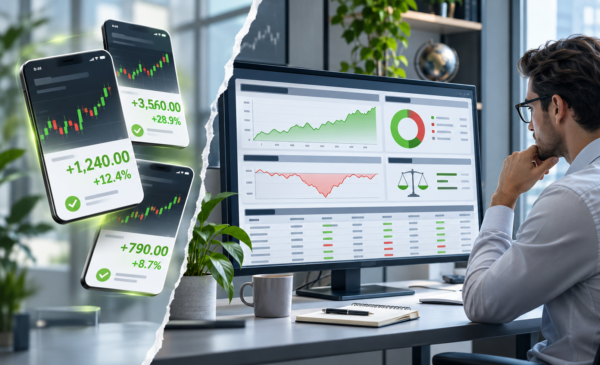
Free Signals and Profit Screenshots
Another common pattern is:
Free Signal → Trade Wins → Screenshot Posted → VIP Promotion
The screenshot becomes evidence used to sell the upgraded product.
But one screenshot cannot demonstrate:
- Long-term consistency
- Drawdown
- Average performance
- Sample size
You should always separate:
Marketing Result
from:
Performance Evidence
How to Evaluate Free Trading Signals Professionally
Use a structured checklist.
1. Is the Full Trade History Available?
You should see both:
- Winners
- Loser
2. Is There a Stop Loss?
Avoid signals with unlimited downside.
3. Is Risk Explained?
A trade idea without risk context is incomplete.
4. Is the Provider Transparent?
Does the channel acknowledge losing trades?
5. Is There a Clear Business Model?
Understand how the provider benefits.
6. Are Signals Educational or Purely Executable?
Know what you are receiving.
7. Is There Pressure to Upgrade?
Aggressive urgency deserves caution.
8. Are Results Based on a Meaningful Sample?
Do not judge from several winners.
9. Are You Becoming Dependent?
Can you still evaluate a trade independently?
10. Does the Signal Fit Your Risk Profile?
A signal suitable for one trader may be completely inappropriate for another.
Keep Your Own Record of Free Signals
Instead of trusting channel statistics, build your own dataset.
Record:
| Data | Example |
|---|---|
| Date | Nov 4 |
| Symbol | XAUUSD |
| Direction | BUY |
| Entry | 2670 |
| Stop Loss | 2660 |
| Target | 2690 |
| Result | +2R |
| Provider | Channel A |
After 50–100 trades, you will know much more about the service than you could learn from promotional posts.
FastPip’s Trading Journal guide explains how structured records can improve trading evaluation and discipline.
FastPip – Trading Journal Writing
Never Increase Risk Because the Signal Was Free
Some traders think:
“I’ll test it with a larger position because I didn’t pay anything.”
This makes no sense.
Subscription price and position risk are unrelated.
Your risk should depend on:
- Account size
- Strategy
- Stop Loss distance
- Risk tolerance
not the cost of the signal.
Never Increase Risk Because Several Free Signals Agree
Suppose three channels say:
BUY GOLD
That does not guarantee a winning trade.
If all three channels use similar analysis, they may simply be repeating the same market view.
Agreement does not eliminate uncertainty.
Free Signals Can Be Useful
This article is not arguing that free signals should be avoided.
They can provide value.
Potential benefits include:
- New market ideas
- Additional analysis
- Learning opportunities
- Testing a provider
- Comparing strategies
The important issue is how they are used.
Use Free Signals as Inputs, Not Commands
A better mindset is:
Signal = Information
rather than:
Signal = Instruction
When you receive a trade idea, consider:
- Does it fit my strategy?
- Is the risk acceptable?
- Has price already moved?
- Is major news approaching?
- Do I understand the setup?
This keeps responsibility with the trader.
When a Free Signal May Be Worth Following
A service becomes more credible when it provides:
- Transparent history
- Risk levels
- Stop Losses
- Consistent reporting
- Realistic expectations
- No guaranteed-profit language
You still need risk control.
But the information becomes easier to evaluate.
Red Flags in Free Trading Signal Channels
Watch for:
Guaranteed Returns
No legitimate market strategy can remove uncertainty.
No Stop Loss
Unlimited downside is dangerous.
Only Winning Screenshots
Incomplete performance data.
Heavy Pressure to Join VIP
Urgency can interfere with rational evaluation.
No Explanation of Risk
Profit without risk context is incomplete.
Constant Broker Promotion
Understand the referral relationship.
Unrealistic Accuracy
Extremely high win-rate claims require strong evidence.
Free Trading Signals vs. Paid Signals
| Factor | Free Signals | Paid Signals |
|---|---|---|
| Direct Cost | Usually none | Subscription |
| Quality | Can vary widely | Can vary widely |
| Transparency | Provider dependent | Provider dependent |
| Risk | Real | Real |
| Business Incentive | Often indirect | Usually direct |
| Educational Value | Varies | Varies |
The critical point is clear:
Paid does not automatically mean better.
And:
Free does not automatically mean safe.
The Real Cost of a Signal Is the Decision It Creates
A free signal that leads to:
-$500
was economically more expensive than a $50 subscription that helped you avoid poor trades.
Conversely, a free educational signal that improves your understanding may provide substantial value.
So price alone is the wrong metric.
Ask This Question Before Following Any Signal
Before entering, ask:
If I had not received this signal, would I understand why this trade exists?
If the answer is no, consider whether you are analyzing a trade or simply copying one.
That distinction matters enormously over time.
Conclusion: Are Free Trading Signals Really Free?
Free trading signals may have no direct subscription fee.
But that does not mean they have no cost.
The real costs may include:
- Trading losses
- Poor execution
- Time
- FOMO
- Overtrading
- Psychological dependency
- Missed learning opportunities
- Hidden conflicts of interest
At the same time, free signals are not inherently bad.
Some providers use them responsibly for:
- Education
- Brand building
- Strategy demonstration
- Community growth
The key is transparency.
Understand:
Who provides the signal.
Why they provide it.
How they make money.
What risks you carry.
And remember:
The signal may be free. The trade is not.
Every position still puts real capital at risk.
That is why the most useful question is not:
“How much does this signal cost?”
It is:
“What does this signal give me—and what can it cost me?”
That question produces a far more realistic evaluation.
Frequently Asked Questions
Are free trading signals really free?
They may have no subscription fee, but they can still create costs through trading losses, time, poor execution, dependency, and emotional decisions.
Are free trading signals safe?
Not automatically. Their risk depends on the provider, strategy, transparency, execution, and your own risk management.
Why do providers offer free trading signals?
Common reasons include attracting users, promoting VIP subscriptions, broker referrals, education, brand building, and selling other services.
Are paid signals better than free signals?
Not necessarily. Price does not automatically determine quality.
Can free trading signals make money?
They can produce profitable trades, but no signal service can guarantee future profits.
Can free trading signals cause losses?
Yes. Every real trade exposes capital to market risk.
How do I identify a good free trading signal?
Look for clear entry, Stop Loss, targets, transparent history, realistic claims, and consistent reporting.
Should beginners use free trading signals?
They can use them as educational or analytical inputs, but relying on them without understanding risk can create dependency.
What is the biggest hidden cost of free trading signals?
For some traders it is financial loss; for others it may be dependency and reduced independent decision-making.
Why do free signal channels promote brokers?
Some may receive affiliate or introducing-broker revenue when users register or trade through their referral relationships.
Should I trust free signals on Telegram?
Do not rely solely on social-media or group-chat recommendations. Evaluate the provider, history, risk, and incentives independently.
Can free signals create FOMO?
Yes. Urgent messages and rapidly moving markets can push traders toward emotional decisions.
Are educational signals better than execution signals?
They may provide greater long-term value because they explain the reasoning behind the trade instead of only providing instructions.
Should I keep a journal when using free signals?
Yes. Recording every signal helps you independently evaluate performance rather than relying on promotional results.
What should I check before following a free trading signal?
Check the Stop Loss, position risk, current market price, provider history, execution timing, and whether the trade fits your own strategy.