
Day trading can be worth it for a small group of disciplined, well-capitalized, and experienced traders—but it is not a reliable path to quick income, and it is not suitable for everyone. Most retail day traders lose money after fees, and leverage can turn small market moves into large losses.
Whether day trading is worth it depends less on the promise of profit and more on your financial situation, time availability, risk tolerance, ability to follow a tested plan, and willingness to evaluate results after all costs. A few winning trades do not prove that a strategy is sustainable.
📋 Key Takeaways
- Day trading involves buying and selling financial instruments within the same trading day.
- Profitability is possible, but consistent profitability is difficult and never guaranteed.
- Large-sample studies show that most retail day traders lose money after transaction costs.
- Spreads, commissions, slippage, data subscriptions, and taxes reduce net returns.
- Leverage and margin can magnify losses; in some markets, losses may exceed the initial deposit.
- Day trading should not be funded with rent money, emergency savings, debt, or money needed for essential living expenses.
- Practice with a demo account, keep a trading journal, and evaluate a meaningful sample of trades before risking real capital.
Is Day Trading Really Worth It?
Day trading may be worth it if you treat it as a skill-based activity with strict risk controls—not as a shortcut to financial independence. The key question is not whether someone can make money in a single trade, but whether you can generate positive results after costs, losses, taxes, and the time you spend trading.
Research on retail day traders consistently finds poor aggregate results. A study of Brazilian equity futures traders found that 97% of individuals who persisted for more than 300 days lost money; only 1.1% earned more than Brazil’s minimum wage. Research on Taiwan’s market also found that more than eight out of ten day traders lost money in a typical six-month period.
These statistics do not prove that every individual will fail. However, they do show that the burden of proof should be on your own tested results—not on social-media income claims or the success stories of a few traders.
When Day Trading May Be Worth It
- You have a written trading plan with clear entry, exit, and risk rules.
- You can control risk and consistently follow your rules.
- You have enough time for market analysis, execution, and performance review.
- You use only capital whose loss would not disrupt your financial life.
- You evaluate performance over a meaningful sample, after fees and taxes.
- You can accept losing periods without revenge trading or abandoning your plan impulsively.
When Day Trading May Not Be Worth It
- You need immediate or guaranteed income.
- You do not have an emergency fund or stable essential expenses covered.
- You plan to trade with borrowed money, debt, or essential savings.
- You frequently make emotional decisions or overtrade.
- You expect quick profits without education, testing, or practice.
- You cannot dedicate enough focused time during market hours.
Reality check: The U.S. Securities and Exchange Commission warns that day trading is generally not appropriate for people with limited resources, limited trading experience, or low risk tolerance, and that traders should be prepared to lose all funds used for day trading.
The Potential Benefits of Day Trading
Opportunities in Short-Term Market Movements
Day traders attempt to profit from short-term price movements rather than long-term appreciation. This can create opportunities in volatile or liquid markets, but volatility cuts both ways: the same movement that creates a potential gain can also create a rapid loss.
No Overnight Exposure for Closed Positions
If a trader closes all positions before the end of the session, they avoid overnight market exposure for those closed trades. This does not eliminate risk; intraday gaps, fast moves, execution delays, and slippage can still cause losses.
Developing Market Analysis Skills
Day trading can help people learn chart reading, market structure, order execution, risk sizing, and disciplined decision-making. These skills may be valuable, but learning them does not guarantee profitability.
| Potential Benefits | Major Drawbacks |
|---|---|
| Opportunity to trade short-term market movements | High risk of rapid financial loss |
| No overnight exposure for positions closed before the session ends | Requires time, focus, and frequent decision-making |
| Opportunity to develop analysis and decision-making skills | Frequent trading costs can reduce or erase profits |
| Access to different markets, depending on local availability | Stress, emotional pressure, and impulsive decisions |
The Biggest Disadvantages of Day Trading
High Risk of Financial Loss
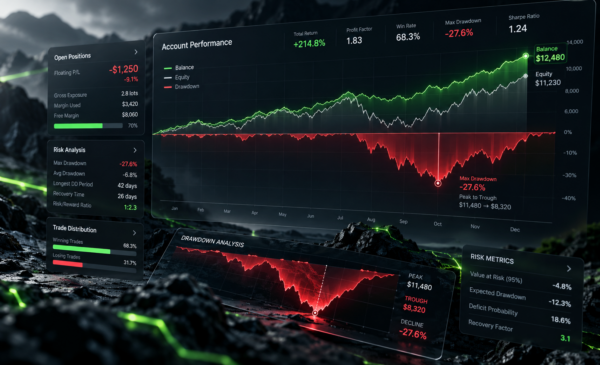
Fast markets, incorrect decisions, poor execution, and leverage can increase losses. The SEC notes that day trading can lead to large and immediate losses and that increased leverage or margin can result in losses exceeding initial capital.
Trading Costs Can Reduce Profits
A trade is not profitable just because its gross price change is positive. You must subtract all costs, including:
- Bid-ask spread
- Commissions
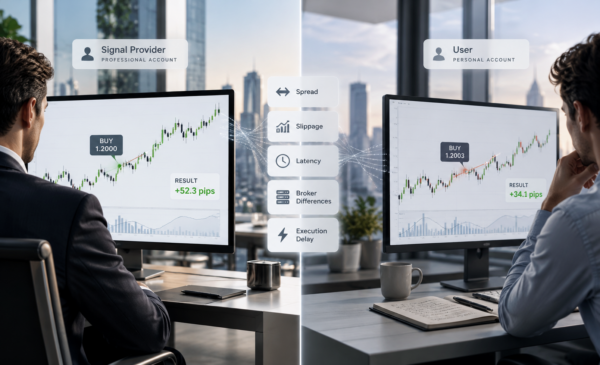
- Slippage
- Platform and market-data fees
- Financing or overnight costs, where applicable
- Taxes on short-term gains, depending on your jurisdiction
Stress and Emotional Pressure
Fear, greed, revenge trading, and the urge to recover a loss quickly can lead to poor decisions. Trading psychology is not a soft skill; it directly affects whether you follow your plan when the market moves against you.
Time Commitment and Opportunity Cost
Day trading requires time for learning, market preparation, monitoring, execution, journaling, and review. Those hours have an opportunity cost: they could be spent on career development, education, a business, or a less time-intensive investment approach.
Explore the Crypto Coins Heatmap to track cryptocurrency price movements and spot market trends at a glance.
Can You Make Consistent Money Day Trading?
Some traders can make money, but consistent profitability is rare and difficult to prove. The important distinction is between an occasional win and a repeatable, risk-adjusted result over many trades and changing market conditions.
Profitability Is Different From Occasional Wins
A trader may win several trades in a row and still lose money over time if losses are larger than gains or if costs are high. A small sample of trades cannot establish that a strategy works.
Why Trading Costs and Losses Matter
Evaluate net performance, not gross performance. For example, a hypothetical strategy with a 55% win rate may still lose money if the average loss is much larger than the average win, or if spreads and commissions consume most of the expected gain.
The Importance of a Tested Strategy
A tested strategy should define when to enter, when to exit, where the idea is invalid, how much to risk, and when not to trade. Backtesting, demo trading, and journaling can help, but none of them guarantees that live-market results will match historical or simulated results.
How Much Money Do You Need to Start Day Trading?
There is no universal capital requirement. The amount you need depends on the market, broker, minimum position size, trading costs, margin rules, jurisdiction, and the amount of capital you can afford to lose.
Minimum Capital Depends on the Market
Stocks, forex, and crypto have different minimum trade sizes, leverage rules, fees, and regulatory requirements. A small deposit may be enough to open an account, but it does not necessarily mean the account is suitable for sustainable day trading.
Trading Capital vs. Emergency Savings
Trading capital should be separate from money needed for housing, food, healthcare, debt payments, or emergencies. If losing the money would create financial hardship, it is not appropriate trading capital.
Why a Small Account Does Not Guarantee Small Risk
A small account can still take excessive risk if the trader uses large position sizes, high leverage, or very tight stop-losses. Risk is determined by position size, stop-loss distance, leverage, and market volatility—not by the account balance alone.
Day Trading vs. Long-Term Investing
Day trading and long-term investing serve different goals. Day trading focuses on short-term price movement and active decision-making; long-term investing generally focuses on holding diversified assets for years and participating in long-term growth.
| Factor | Day Trading | Long-Term Investing |
|---|---|---|
| Typical holding period | Minutes to hours; closed same day | Months to years |
| Time required | High during market hours | Usually lower for routine portfolio management |
| Trading frequency | Often frequent | Usually infrequent |
| Costs | Can accumulate quickly through spreads, commissions, and slippage | Usually fewer transactions, but fund and platform fees still matter |
| Primary risk | Short-term volatility, execution risk, leverage, and emotional decisions | Market downturns, concentration risk, and behavioral mistakes |
| Return expectation | No guaranteed return; many retail traders lose money | No guaranteed return; results depend on assets, time horizon, and behavior |
Day Trading vs. Swing Trading
Swing trading usually involves holding positions for several days or weeks, while day trading closes positions within the same session. Swing trading may require less constant screen time, but it introduces overnight and weekend risk. Day trading avoids overnight exposure for closed positions but requires more active monitoring during market hours.
| Factor | Day Trading | Swing Trading |
|---|---|---|
| Holding period | Same day | Days to weeks |
| Monitoring | Usually frequent during market hours | May require less constant monitoring |
| Overnight risk | Avoided for positions closed before the session ends | Often present while positions remain open |
| Main challenge | Speed, execution, costs, and emotional discipline | Patience, overnight gaps, and managing open risk |
What Skills Do You Need to Become a Day Trader?
Technical and Market Analysis
Understanding candlesticks, trends, support and resistance, volume, timeframes, and market context can help you build structured trade ideas. Indicators alone do not create an edge; interpretation and risk control matter more.
Risk Management
Risk management includes position sizing, stop-loss placement, maximum risk per trade, daily loss limits, and avoiding excessive leverage. These rules should exist before you enter a trade.
Trading Psychology and Discipline
Discipline means following your plan even when you feel fear, excitement, or frustration. A good process includes accepting losses, avoiding revenge trades, and stopping after reaching your daily loss limit.
Record-Keeping and Performance Review
A trading journal should record entry and exit reasons, position size, stop-loss, profit or loss, fees, emotional state, and whether you followed the plan. Review results over a meaningful sample, not after a handful of trades.
If you’re considering day trading, read our guide on How to Start Day Trading to learn the essential steps for getting started.
Want to explore trading signals and potential market opportunities? Visit our SIGNAL page for the latest trading setups.
How to Decide Whether Day Trading Is Right for You
Assess Your Financial Situation
Review your income, essential expenses, debt, emergency savings, and the amount you could lose without financial harm. If day trading would replace essential savings or increase debt risk, it is not a suitable starting point.
Practice Before Risking Real Money
Use a demo account to learn order execution and test your rules. Treat the demo account seriously, but remember that simulated results do not guarantee live-market performance.
Define Risk Limits and Evaluate Results
Set a maximum risk per trade and a daily loss limit. Record every trade and review whether your net results, discipline, and strategy adherence justify continuing.
✅ Day Trading Readiness Checklist
☐ I can afford to lose the capital I plan to use.
☐ I have enough time during relevant market hours.
☐ I understand spreads, commissions, slippage, leverage, and taxes.
☐ I have a written trading plan.
☐ I have tested one strategy on a demo account.
☐ I keep a trading journal.
☐ I can follow my risk limits without changing them emotionally.
☐ I evaluate results over a meaningful sample after costs.
☐ I understand that no trading result is guaranteed.
🚀 Continue Learning Before You Trade
Explore FastPip’s day trading guides, risk management resources, and market analysis to make more informed trading decisions.
Conclusion: Is Day Trading Worth It?
Day trading may be worth it for a limited number of people who have suitable capital, time, emotional discipline, and a tested risk-management process. For most beginners, it should not be treated as a fast way to earn income or replace a stable job.
The realistic answer is conditional: day trading can offer opportunities, but it also carries high financial and psychological costs. If you decide to explore it, start with education, practice on a demo account, use only money you can afford to lose, and judge your performance after fees—not by a few winning trades.
Want to understand how day trading works? Explore our guide to Day Trading to learn the basics, strategies, and risks.